
"The Power of Daily Routines: Embracing the Present Simple"
- Nov 11, 2025
- 4 min read
Dear diary, today I want to write about my daily routine.
I wake up at 6:30 a.m. After I wake up, I eat breakfast and then I brush my teeth. I get dressed, and go to work, I work from 7 a.m. until 3 p.m. I arrive home and eat my dinner, then I go to the gym. After the gym I come home, eat and go to bed.
The paragraph above is written using the present simple. For each use of the present simple below, write three sentences to practice. The present simple is used for :
Facts and Generalizations: The present simple is used to state facts or general truths that are not limited to a specific time. For example:
"The sun rises in the east."
"Water boils at 100 degrees Celsius."

2. Daily routines or Habits: It is used to describe actions that are repeated regularly or habits. For example:
"I wake up at 7 a.m. every day."
"She brushes her teeth before going to bed."

3..Scheduled Events: The present simple can be used to express future events that are part of a fixed schedule or timetable. For example:
"The train departs at 9 p.m. tomorrow."
"The concert starts at 7:30 p.m. next Friday."

4. Permanent Situations or States: It describes situations or states that are not likely to change. For example:
"He works as a teacher."
"They live in London."

5. Commentaries and Instructions: The present simple can be used in commentaries, instructions, or sports commentaries. For example:
"He shoots, and he scores!"
"First, you add the flour, then you mix it with water."
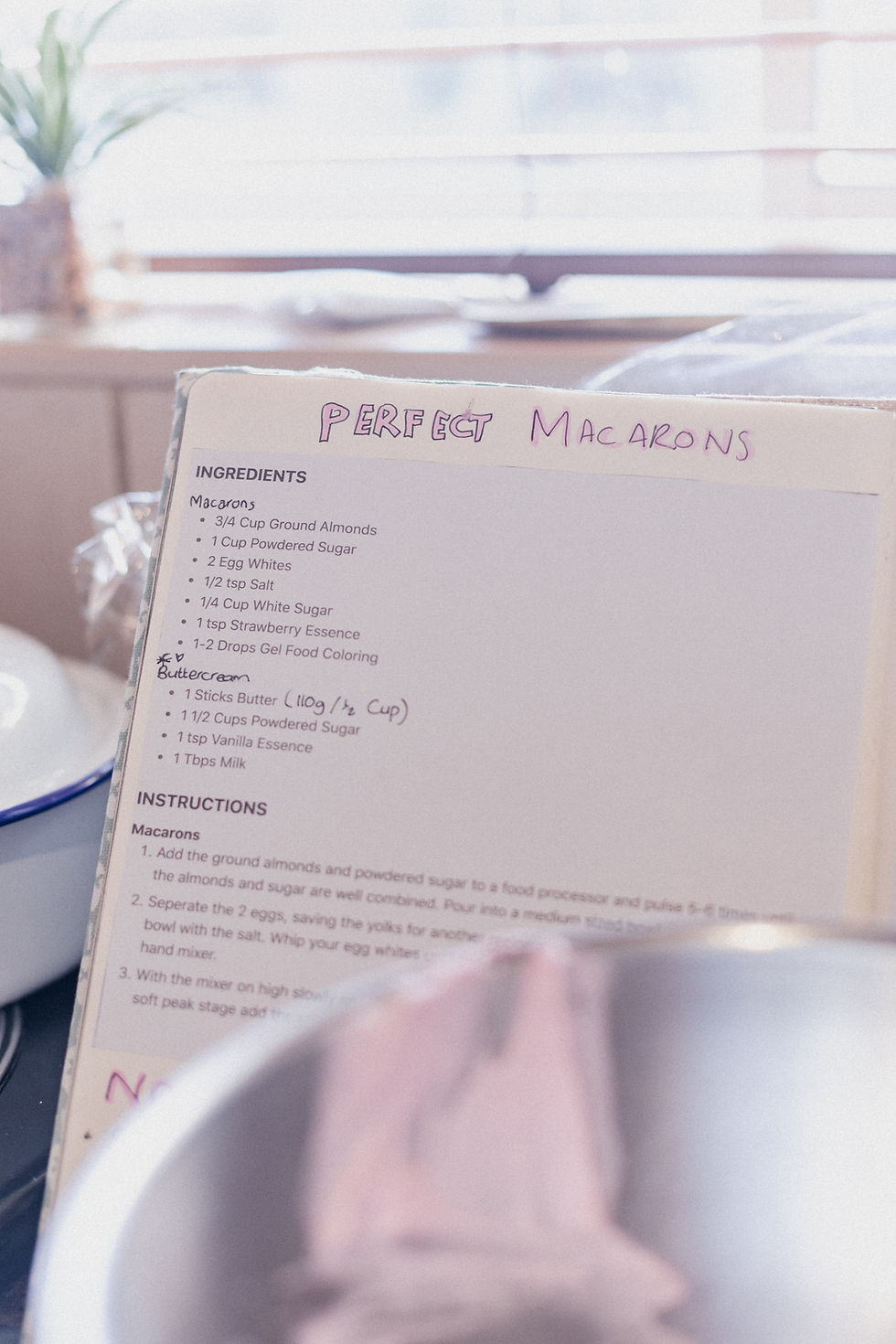
Now we will go over the present simple in the affirmative, negative and interrogative. Did you know that the present simple is estimated to be used 57 % of time time? Learning this verb tense will have a big impact on your English!
Affirmative
The affirmative is used to make positive statements and state that something is true. The affirmative states that the action happens.
I wake up early in the morning.
- This sentence above states that the action of waking up in the morning happens
regularly.
I am from Canada.
- This sentence states that something is true, that I am from Canada.
I live in Mexico.
- Again, this sentence states that something is true.
Form
- The form is
Subject + infinitive.
I run three times a week.
You run three times a week.
We run three times a week.
They run three times a week.
Wait a minute, where I think something is missing. Where are the subjects, he, she and it ? Well, he, she and it have a slightly different conjugation. Look at the examples below, and ask yourself what is different.
- Form in third person
He runs three times a week.
She runs three times a week.
It rains three times a week.
What did you notice that is different about the third person singular form? You noticed that the infinitive has "s" in the conjugation. So the form for the present simple third person singular is
subject + infinitive+ s
She works in a hospital.
He eats breakfast every morning.
The sun rises in the east.
It rains a lot in this region.
John plays the guitar very well.
Negative
The negative is used to state that something is not true or does not happen.
The form is
Subject + do not + infinitive.
Subject +does not + infinitive.
Can you guess what subject is conjugated with does? That is right, third person singular, he, she, and it.
- Form with the subjects I, you, we, they.
- I do not run
- You do not run
- We do not run
- They do not run
Now in third person singular.
- Form with the subjects , he, she , it
- He does not run.
- She does not run.
- The dog does not run.
Interrogative
The present simple interrogative is used to ask about actions, events or states in the present.
The form for the subjects, I, you, we they do is:
Do + subject + verb + rest of sentence
Do I run three times a week?
Do you run three times a week?
Do they run three times a week?
Do we run three times a week?
The form for the subjects , he, she, and it:
Does he run three times a week?
Does she run three times a week?
Does the dog run with you three times a week?
Summary
Uses
Facts and generalizations
Daily routines and habits
Scheduled events
Permanent states or situations
Commentaries and instructions
Affirmative form
Subject + infinitive + object
I/you/we/they + verb + object
I like cookies
You like cookies
We like cookies
They like cookies
Remember, third person pronouns, the verb is conjugated with an s.
He/she/it + verb + s + object
The dog likes cookies.
He loves running.
She loves singing.
Here is a list of commonly used verbs in the present simple
Be: I am, you are, he/she/it is, we are, they are
Have: I have, you have, he/she/it has, we have, they have
Do: I do, you do, he/she/it does, we do, they do
Go: I go, you go, he/she/it goes, we go, they go
Like: I like, you like, he/she/it likes, we like, they like
Want: I want, you want, he/she/it wants, we want, they want
Need: I need, you need, he/she/it needs, we need, they need
Work: I work, you work, he/she/it works, we work, they work
Play: I play, you play, he/she/it plays, we play, they play
Study: I study, you study, he/she/it studies, we study, they study
Live: I live, you live, he/she/it lives, we live, they live
Speak: I speak, you speak, he/she/it speaks, we speak, they speak
Eat: I eat, you eat, he/she/it eats, we eat, they eat
Drink: I drink, you drink, he/she/it drinks, we drink, they drink
Sleep: I sleep, you sleep, he/she/it sleeps, we sleep, they sleep
Homework
Do not worry, the best is saved for last! Now it is time for your homework Based on the pictures above, write three sentences for each picture. Write one affirmative, one negative, and one interrogative sentence. .
I love watching the sunset.
I do not like the sunrsie.
What time does the sunset?
Follow this format and complete your homework :)


Comments